Product Description
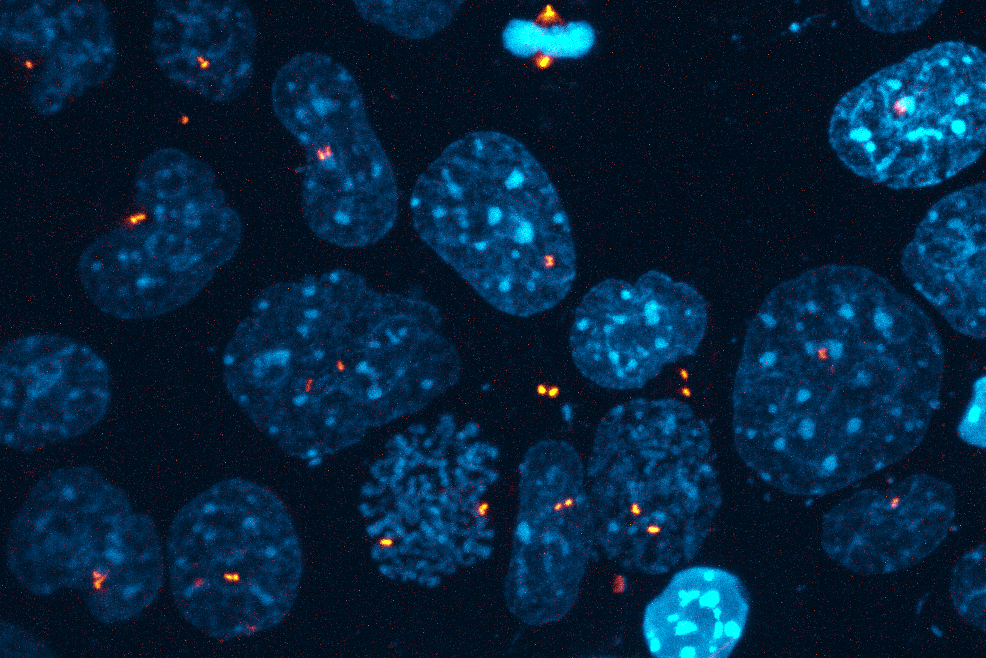
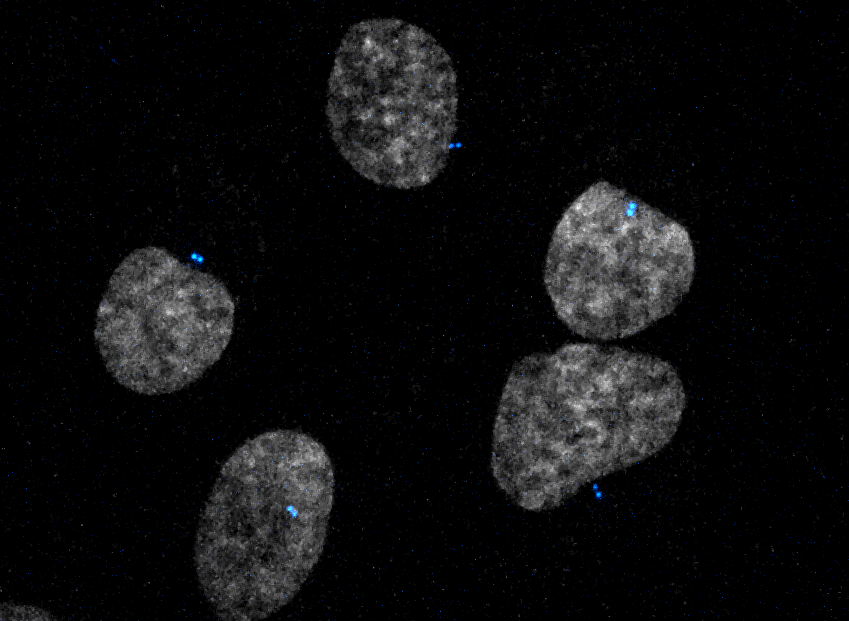
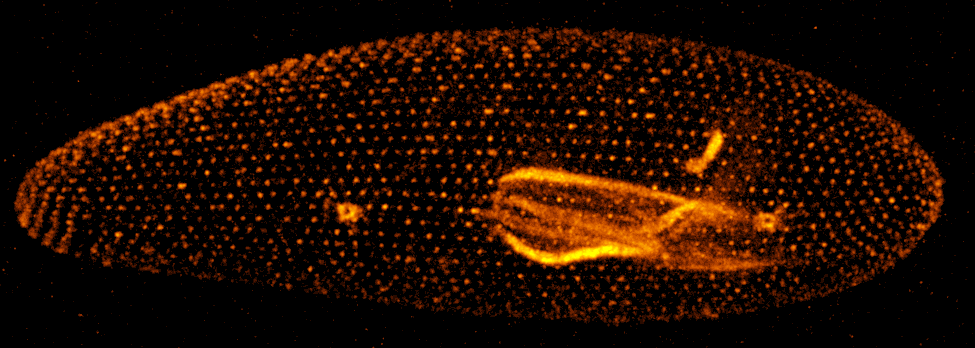
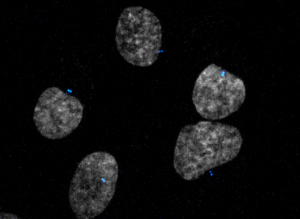
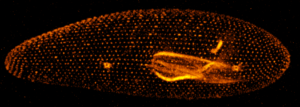
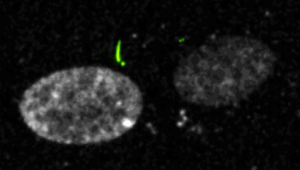
CenSpark650™ is a bright, far red, fluorogenic & non toxic centriole and cilia stain based on our outstanding SiR dye. With its unique dual ligand structure, CenSpark650™ recognizes microtubule triplets and doublets present in centrioles and cilia and efficiently labels them1). CenSpark650™ labels centrioles and cilia in live cells with high specificity and low background. CenSpark650™ doesn’t require any genetic manipulation, transfection or overexpression of fluorescent proteins. CenSpark650™ is based on our bright, photostable & far red SiR fluorophore which is far superior than fluorescent proteins.
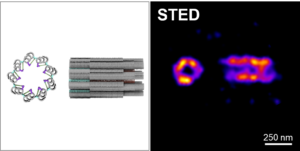
CenSpark650™ enables multicolor imaging with SPY505, SPY555, SPY595, SPY700, GFP or m-cherry. CenSpark650™ can be imaged with standard Cy5 filterset. It can be used for widefield, confocal, SIM or STED imaging of living cells and tissue. Probe quantity allows 100 staining experiments.*
The First Centriole and Cilia Selective Probe
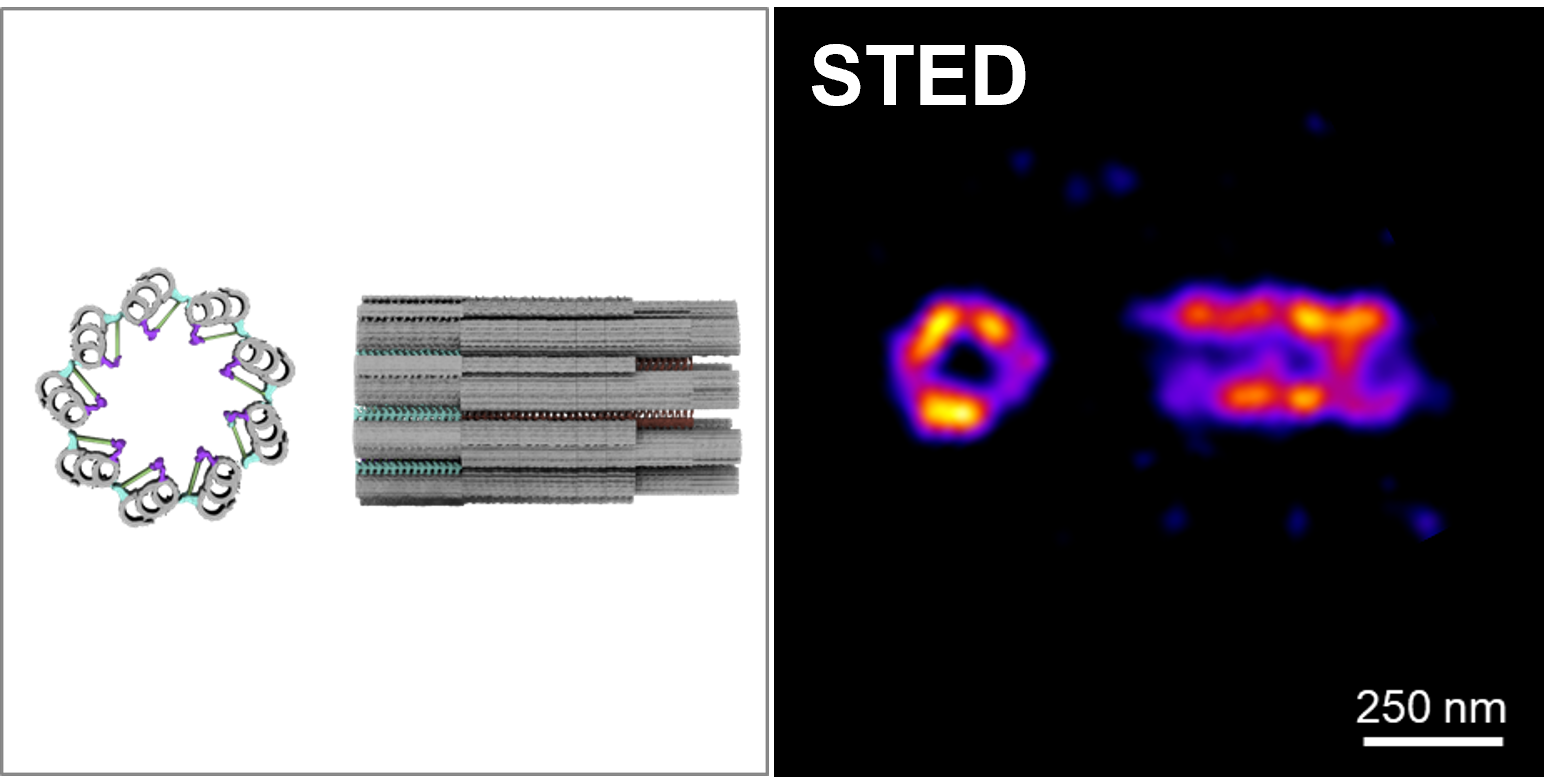
Centrosomes are organelles that serve as the primary microtubule-organizing centers (MTOCs) in cells. At the core of each centrosome lies a pair of barrel-shaped structures called centrioles, which are positioned perpendicular to one another. Each centriole is meticulously constructed from nine triplets of microtubules arranged in a distinct symmetrical ring. Surrounding this pair is the pericentriolar material (PCM), a dense protein matrix responsible for nucleating and anchoring microtubule networks. During cell division, the centrosome duplicates precisely once to form the two poles of the mitotic spindle, ensuring chromosomes separate equally. Beyond division, the older “mother” centriole can migrate to the cell surface and transform into a basal body, acting as the structural template necessary to grow cilia and flagella. Visualizing centrosomes, centrioles and cilia typically requires fixation and immunostaining while live cell imaging heavily relies on complex genetic tagging of fluorescent proteins or self labelling tags. This is not always compatible with models where genetic engineering is difficult or impossible, thereby making live cell centriole visualization a considerable time and cost intensive task.
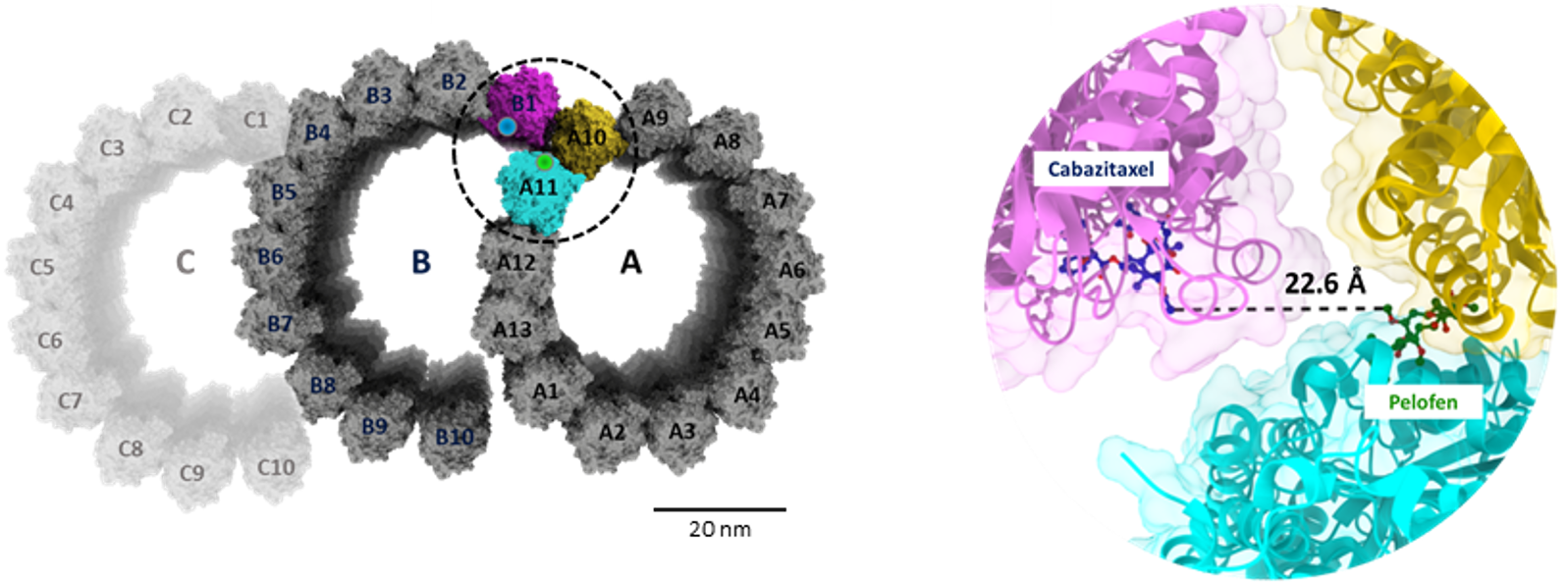
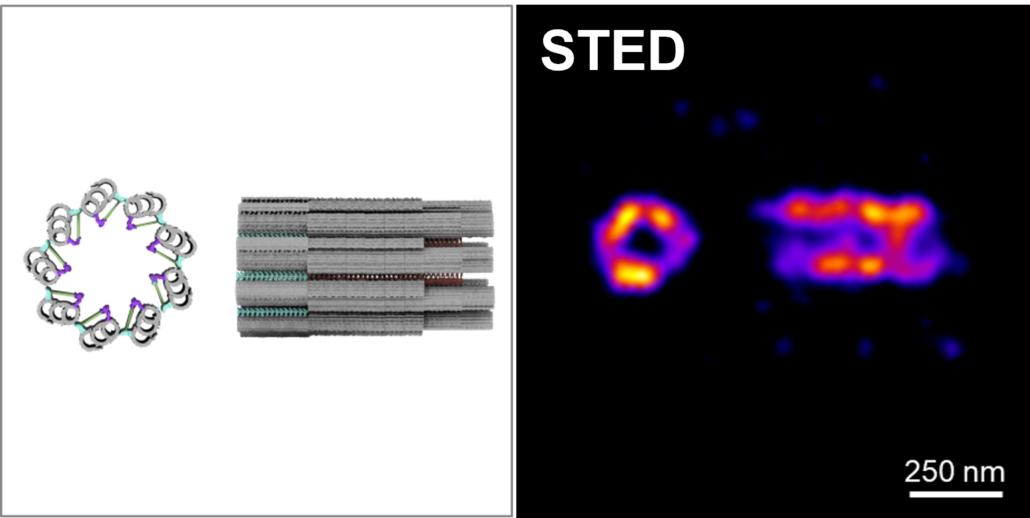
CenSpark650™ is a first-in-class, cell-permeable small-molecule fluorescent probe engineered specifically for the high-contrast visualization of centrioles, cilia, and flagella without requiring genetic manipulation. Its highly straightforward “add and image” protocol allows for centrioles to be stained as fast as within 1h. Censpark650™ operates on a unique dual-ligand principle designed to exploit the specific structural architecture of these organelles: it physically couples two different microtubule-binding agents (cabazitaxel and a peloruside A analog) via a long linker, allowing the probe to simultaneously bind to both the inner and outer microtubule-binding sites that exist in close juxtaposition exclusively within the microtubule triplets and doublets of centriolar and axonemal structures (Figure 1)1). This bivalent binding mechanism confers CenSpark650™ with an exceptional selectivity for centrioles over standard, indiscriminate cellular tubulin networks, and because it is fluorogenic, its far-red (670 nm) fluorescence intensity increases only upon target binding, resulting in a highly specific, low-background signal ideal for live cell imaging.
1. Pourroy, C., Hatzopoulos, G.N., Reymond, L. et al. Development of the fluorescent probe CenSpark for labeling centrioles and cilia. Nat Chem Biol (2026).
Probe Properties
| Absorbance maximum λabs | 652 nm |
| Fluorescence maximum λfl | 674 nm |
| Works on fixed cells? | Yes, GA or acetone fixation |
| Probe quantity | 100 stainings* |
| Fluorescence lifetime | 3.0 ns |
| STED depletion wavelength | 775 nm |
| Shipping | room temperature |
| Storage | -20°C |
*Based on the following conditions: 0.5 ml staining solution / staining experiment with 1x probe concentration. The number of staining experiments can be further increased by reducing the staining solution volume or the probe concentration.